
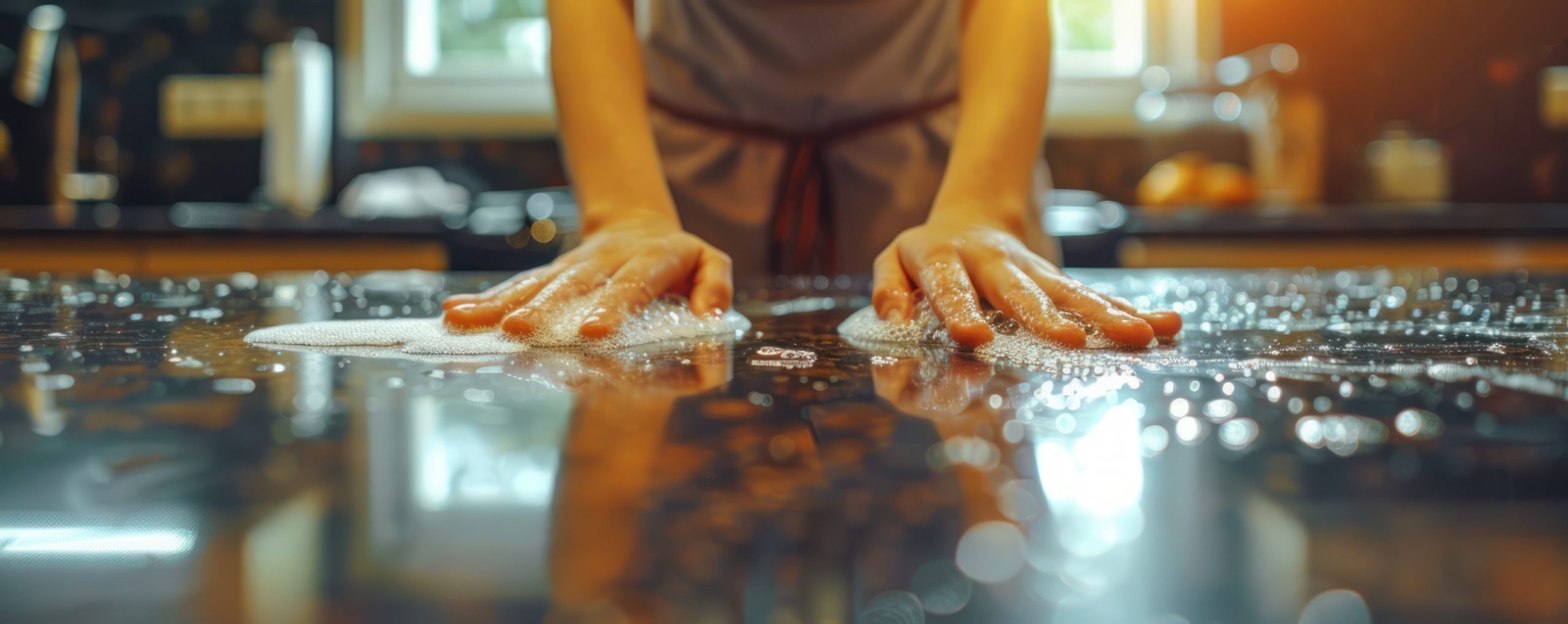
Kitchen Appliance TLC: How to Clean and Maintain Like a Pro
Keeping your kitchen humming along smoothly starts with one simple habit—cleaning your appliances the right way. From your hardworking fridge to the daily grind of your coffee maker, knowing how (and when) to clean each item helps prevent breakdowns, bad odors, and even wasted energy.
In fact, maintenance and cleaning go hand in hand. A quick wipe today can save you a major repair bill tomorrow. Whether you’re settling into your first home or just trying to stay on top of chores, this guide will walk you through how to clean and care for your kitchen appliances—keeping your space functional, fresh, and future-proof.
Why It Pays to Keep Kitchen Appliances Clean
Cleaning your kitchen appliances isn’t just about appearances. It’s about hygiene, energy efficiency, and longevity. A dirty microwave or fridge can harbor bacteria, and clogged filters or dusty coils make machines work harder—burning more energy and breaking down faster. Regular cleaning helps your appliances last longer and run better, saving you money in the long run.
How to Clean a Refrigerator
Your fridge is a powerhouse when it comes to food storage—so treat it well!
- Wipe down shelves and drawers weekly with warm, soapy water or diluted vinegar to prevent odors and bacteria.
- Clean the door seals with a damp cloth to keep cold air in and your energy bills low.
- Vacuum the condenser coils every 6 months to help your fridge run efficiently.
- Set the temperature between 37°F–40°F for safe food storage.
- Keep an eye out for warning signs like frost build-up, spoiled food, or odd noises—these could mean it’s time for a service call or replacement.
How to Clean a Dishwasher
Your dishwasher does the dirty work—so give it some love back!
- Rinse the filter weekly under hot water to remove trapped food.
- Wipe down door seals and edges to stop mold and residue from building up.
- Run a monthly cycle with dishwasher cleaner or a cup of vinegar on the top rack.
- Check the spray arms for blockages to ensure proper water flow.
- Cloudy dishes or standing water are red flags—don’t ignore them!
How to Clean an Oven and Stovetop
These high-use appliances can get grimy fast—but regular maintenance keeps them in check.
- Wipe up spills after cooking once the surface cools.
- Clean oven racks with warm, soapy water or a paste of baking soda.
- Use the self-cleaning feature sparingly—it can wear out components over time.
- Clean burners or coils to prevent uneven heating.
- Smoke, odd smells, or long preheat times may signal it’s time for repairs.
How to Clean Small Kitchen Appliances
Don’t forget about the little guys—they deserve care too!
Microwave
- Steam clean by microwaving a bowl of water with lemon slices or vinegar for 2–3 minutes.
- Wipe inside and out with a damp cloth.
- If you smell burning or buttons stop working, consider a replacement.
Coffee Maker
- Run a vinegar-water mix (1:1 ratio) through the brew cycle, then flush with water until the smell is gone.
- Clean removable parts weekly.
Toaster
- Shine the exterior with a cloth and vinegar.
- Empty crumbs from the tray—or turn it upside down (unplugged!) over the sink to shake them out.
Blender
- Quick clean: Add warm water and a drop of dish soap, then blend for 30 seconds.
- Deep clean: Take apart and wash all components regularly to prevent residue and odors.
FAQs: Appliance Cleaning & Care
What’s the best way to clean kitchen appliances?
Use warm water, mild dish soap, and a microfiber cloth. For tough grime, a baking soda paste or diluted vinegar works wonders. Always unplug before cleaning.
How often should I clean kitchen appliances?
Big appliances (like fridges and ovens) should get a deep clean monthly. Small appliances benefit from weekly wipe-downs.
Is vinegar safe for cleaning kitchen appliances?
Yes! White vinegar is a powerful natural cleaner that breaks down grease, neutralizes odors, and disinfects—just dilute it with water first.
What should I avoid when cleaning appliances?
Skip abrasive pads, bleach, and soaking any parts with electrical components. Always check the manufacturer’s care guide if unsure.
Does cleaning really make appliances last longer?
Absolutely. Routine cleaning keeps everything running efficiently, helps avoid repairs, and extends your appliances’ lifespans.