
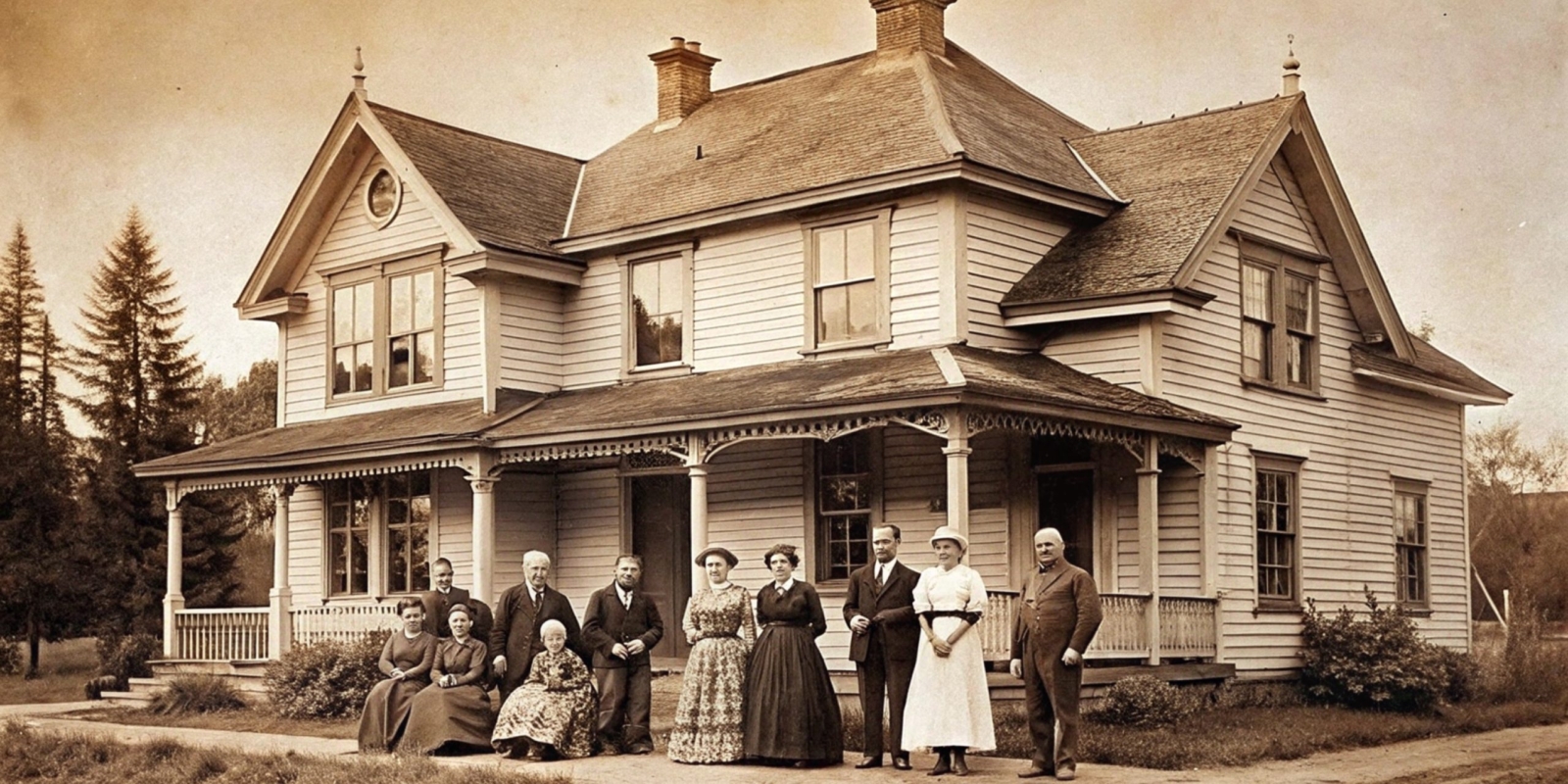
Hunting for a home with timeless charm but wondering if it might be too “old”? In this Redfin guide, we dive into the question on every buyer’s mind: How old of a house should I buy? We’ll unpack the perks and pitfalls of both vintage and modern homes, helping you decide which fits your dream lifestyle best.
Whether you’re eyeing a cozy 1940s gem in Buffalo, a mid-century charmer in Cleveland, or a sleek new build in Provo, this breakdown covers it all—so you can confidently choose your perfect spot.
What Counts as an “Old” Home?
Real estate pros usually consider any house built over 50 years ago as “old.” Homes over 100 years might be tagged “historic” or “antique.” Whether your pick dates from the 1930s or 1970s, old homes stand apart from newer ones in many important ways.
The Bright Side of Buying an Older Home
-
Prime Locations: Older homes often nestle in established neighborhoods with mature trees, parks, and a real sense of community.
-
Generous Land: Many come with bigger lots and mature landscaping that new builds can’t match.
-
Architectural Character: From Victorian elegance to Craftsman coziness, older houses boast unique details and craftsmanship you rarely see today.
-
Potential Savings & Investment: Sometimes older homes come with a lower price tag and, with thoughtful renovations, can offer excellent returns.
-
Move-In Ready Speed: Unlike building new, buying an existing home means you can settle in faster.
The Challenges of an Older Home
-
Aging Infrastructure: Beware of outdated electrical wiring, plumbing, or structural issues that might need costly upgrades.
-
Quirky Layouts: Older floor plans might feel cramped or less functional compared to modern open designs.
-
Maintenance Needs: Repairs can be time-consuming and expensive, especially if outdated features aren’t up to code.
-
Higher Utility Bills: Older insulation and HVAC systems may lead to steeper energy costs.
What Defines a New Home?
New homes are typically those built within the last 0-5 years, offering fresh designs and the latest tech. Here’s a quick real estate age chart for context:
| Term | Age Range |
|---|---|
| New Home | 0-5 years |
| Current Home | 6-10 years |
| Modern Home | 10-20 years |
Why Choose a New Home?
-
Fresh & Updated: Brand-new paint, appliances, and technology come standard.
-
Less Maintenance: Modern systems mean fewer repairs and lower utility bills.
-
Contemporary Style: Open floor plans, en suite bathrooms, and eco-friendly features like solar panels or smart thermostats.
-
Builder Perks: Incentives like closing cost assistance and warranties provide peace of mind.
Drawbacks of New Builds
-
Pricey: New homes usually come with a premium price, plus added costs for landscaping and upgrades.
-
HOA Rules: Many new developments have homeowners associations that impose fees and restrictions.
-
Competition & Negotiation: High demand can limit your bargaining power with builders compared to individual sellers.
So, How Old of a House Should You Buy?
There’s no one-size-fits-all answer. Think about your budget, lifestyle, how much upkeep you’re willing to handle, and the style that speaks to you. Weighing the pros and cons of old vs. new homes can help you find the perfect fit for you and your family.
FAQs
What are the main differences between old and new homes?
The biggest differences lie in layout, building quality and materials, systems, price, and maintenance needs.
How do I find out the age of a house?
Check public records, the home inspection report, property deed, online resources, or ask the seller directly.
Do new homes cost more?
Generally yes—new builds feature modern materials and systems that raise the price. Older homes may have a lower upfront cost but could require pricey repairs.
Are older homes eligible for historic preservation status or tax breaks?
Some are! Check with local historic preservation offices, real estate agents, or the National Register of Historic Places to see if your potential home qualifies.